Esav comes in from the field, exhausted and starving, and trades his birthright for a bowl of red lentil stew (Bereishit 25:29-34). Ask most people why, and you’ll hear the standard answer: Esav was a glutton who didn’t care about holy things.
Fair enough. But the Ibn Ezra, the great 12th-century Spanish commentator, offers a reading most people have never heard.
Esav sold the birthright because the family was broke.
Ibn Ezra: Why Hold On to an Empty Inheritance?
For the Ibn Ezra, the bechorah (birthright) is about money: a double portion of the father’s estate (25:31). So Esav runs the numbers and gives two reasons to sell (25:32, 25:34):
וַיֹּ֣אמֶר עֵשָׂ֔ו הִנֵּ֛ה אָנֹכִ֥י הוֹלֵ֖ךְ לָמ֑וּת וְלָמָּה־זֶּ֥ה לִ֖י בְּכֹרָֽה׃
Hineh anochi holech lamut, v'lamah zeh li bechorah.
Behold, I am going to die. So what is this birthright to me?
- He might not live to collect. Hunting was dangerous, and Esav risked his life every day. “Behold, I am going to die” means he expected to die before his father: “there was a possibility that he would predecease his father” (Ibn Ezra 25:32).
- There was nothing to collect. Esav despised the birthright, says the Ibn Ezra, “because he saw that his father had no wealth.”
Do the math. A double portion of nothing is still nothing.
The obvious objection: Avraham left Yitzchak a fortune (25:5). The Ibn Ezra saw it coming:
בעבור שראה שאין לאביו עשר, ורבים יתמהו כי עזב לו אברהם ממון רב, וכאילו לא ראו בימיהם עשיר גדול בנעוריו ובא לידי עוני בזקוניו
Esau also despised the birthright because he saw that his father had no wealth. Many are amazed at this because Abraham left Isaac a vast amount of money. Have they never seen a man very rich in his youth and poor in his old age?
And the Ibn Ezra brings proofs:
- The stew itself. In his words: “Had there been ample food in Isaac’s house … he would not have sold his birthright for a dish of food.”
- The wild game. Yitzchak loved Esav “because of the game in his mouth” (25:28). A father who constantly asks for what his son hunts. And if Yitzchak ate fine meat every day, the Ibn Ezra asks, why would he need to say “Bring me venison” (27:7)?
- The escape. Yaakov leaves for Charan with nothing and prays for “bread to eat and clothing to wear” (28:20). Then he spends twenty years tending another man’s sheep. Why wasn’t he sent with wealth to get married with?
The Ibn Ezra even adds a jab: “Those who are intellectually blind think that wealth is a great distinction for the righteous. However, the prophet Elijah shows that the opposite is the case” (1 Kings 17:6).
Ramban: Yes to the Danger, No to the Poverty
The Ramban agrees with half of it. He reads “I am going to die” just like the Ibn Ezra: Esav faced the dangers of the hunt, so “it was likely that he would die while his father was alive, and the birthright carried with it no distinction except after the passing of the father.”
The poverty theory is another story:
וְרַבִּי אַבְרָהָם מִשְׁתַּבֵּשׁ בְּכָאן מְאֹד … וְאֵין אֵלּוּ רַק דִּבְרֵי שְׂחוֹק
Rabbi Abraham ibn Ezra has erred here exceedingly … All this is laughable.
And he takes the proofs apart:
- Avraham left everything to Yitzchak (25:5), and after Avraham died, “God blessed Yitzchak his son” (25:11). “Now the blessing refers to increase of wealth, possessions and honor,” the Ramban writes, “but where was His blessing if he lost the wealth of his father and became impoverished?”
- The timeline breaks. Yitzchak becomes very great in Gerar (26:13), with herds that make the Philistines jealous (26:14). So the Ibn Ezra has Yitzchak rich, then poor, then rich, then poor again.
- Wild game is a delicacy. “This is in keeping with the custom of princes and kings. They prefer venison above all food.” Yitzchak wanted it for the taste, not because he was hungry.
- Yaakov fled alone. Had he been given “wealth, servants and camels, they would have increased his enemies’ jealousy” and invited an ambush.
The Ramban’s conclusion: Esav despised the birthright “due to his brutal nature.” A fool who lives for today’s meal.
For there is no desire in fools except to eat and drink and to fulfill their momentary desire, not giving a care for tomorrow. Ramban on Bereishit 25:34
Yes, But the Ibn Ezra Saw Noticed a Real Pattern
On the balance sheet, the Ramban wins. Avraham was rich, and that wealth went to Yitzchak.
But read the Ibn Ezra’s list again.
Of course, much of it has midrashic answers. The Gemara says Yaakov was cooking lentils because Avraham had just died, and lentils are a mourner’s food (Bava Batra 16b). But the Ibn Ezra is deliberately reading the peshat, the simple meaning, and sets the midrashic answers aside. He stands on a principle the Gemara itself states: ein mikra yotzei midei peshuto (אין מקרא יוצא מידי פשוטו), a verse never leaves its plain meaning (Shabbat 63a).
And on the plain meaning, the picture is striking. A son who sells his future for soup. A son with no good clothes of his own. A son who prays for bread.
That seems to be a strong pattern that the Torah is portraying. Whatever the bank account said, this was a household that lived lean.
Yitzchak: The Man Who Holds Back
In Jewish thought, each of the Avot has a defining trait. Yitzchak is gevurah: restraint, limits, the strength to hold back for the greater good. Yaakov even calls God “Pachad Yitzchak,” the Fear of Yitzchak (31:42).
Look at how Yitzchak lives:
- At the Akeidah, a grown man accepts his fate and lets his elderly father bind him to an altar. He asks one question, “Where is the lamb?” (22:7), and then goes silent.
- He barely speaks. Compared to Avraham and Yaakov, the Torah gives him very few words. As if accepting his lot.
- He doesn’t go looking for a wife. Eliezer brings Rivka, and Yitzchak marries her (24:67). No shopping, no negotiating, no upgrades.
- He doesn’t fight over wells. When the Philistines quarrel with him, he moves on and digs another one (26:20-22).
- He never leaves the Land of Israel (26:2). His whole life is lived inside limits.
אֵיזֶהוּ גִבּוֹר, הַכּוֹבֵשׁ אֶת יִצְרוֹ … אֵיזֶהוּ עָשִׁיר, הַשָּׂמֵחַ בְּחֶלְקוֹ
Eizehu gibor? Hakovesh et yitzro … Eizehu ashir? Hasameach b'chelko.
Who is mighty? He who subdues his [evil] inclination … Who is rich? He who rejoices in his lot.
Notice the same Mishnah defines both words in this debate. Gibor is the one who holds back. Ashir, rich, is the one content with his portion. Not the one with the biggest balance sheet.
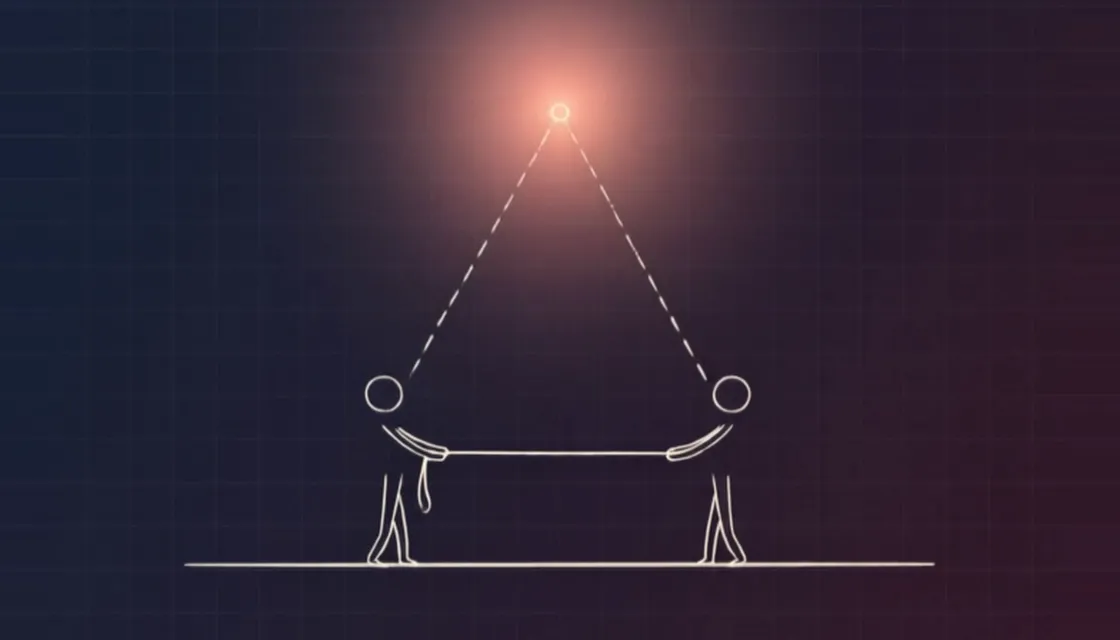
Gevurah is holding back for the greater good. Even with luxury within reach, it means living without excess.
Kabbalah describes it the same way. If God’s light flowed down with no gevurah to limit it, the lower levels would be damaged. They simply couldn’t hold that much. Even with abundance available, the restraint is what lets the light arrive in a form the world can productively receive.
A Possible Solution: A Rich Man Raising Lean Kids
Here is the proposal. Yitzchak has his father’s fortune. Perhaps he also understood that wealth poured onto children too early does what unlimited light does to the lower levels: it damages them. So perhaps he held back. The money was real, but the kids didn’t feel it. No closet of fine clothes, no sense that anything will be handed to you.
If so, the Ramban is describing the balance sheet. The Ibn Ezra is describing the kitchen table.
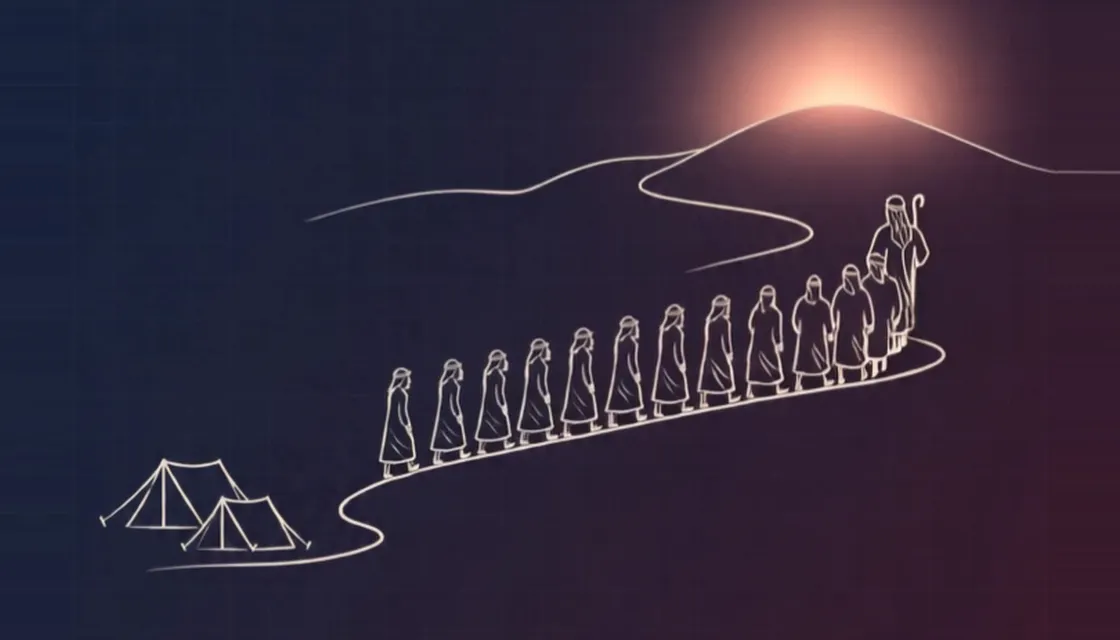
And it may explain the strangest line in the parsha: why Yitzchak loved Esav. Yaakov was yoshev ohalim (25:27), always in the tent. Someone in the family was taking care of his needs, and he wasn’t out working. Esav was the one who went out and brought home dinner with his own hands. To a father who wanted his children to earn their way, Esav looked like the son who got the message.
Perhaps that is also why Yitzchak agreed to send Yaakov away to Charan. Rivka set it in motion, but Yitzchak is the one who blesses him and sends him off (28:1-5). According to the simple meaning of the text, Yaakov leaves with nothing, the same detail the Ibn Ezra used as proof of poverty. Read this way, it was a lesson: the son of the tent would finally have to make it on his own.
So What About Us?
In America, we tend to raise kids with Avraham’s wealth and none of Yitzchak’s restraint. Leased cars at seventeen. Every want met before it becomes a need.
If I am even remotely correct, Yitzchak shows the other path: have it, and hold it back. Like the light, wealth only helps as much as the vessel can hold.
The most valuable thing Yitzchak gave his sons may have been what he didn’t give them.
What are you holding back from your kids, and why?
English quotes follow Sefaria’s translations: Strickman and Silver for the Ibn Ezra, Chavel for the Ramban, Kulp for Pirkei Avot.